New: The Four Friends Practice Companion — deeper stories, practices, and a 30-Day Return Path. Explore it →

Back to practices
BUFFALO MEDITATION

How to sit

You don't need a perfect posture to train the mind. You need a body that's stable enough to stay, and soft enough that the breath can move.

Think of this as Buffalo posture: steady, grounded, alert, not performing.

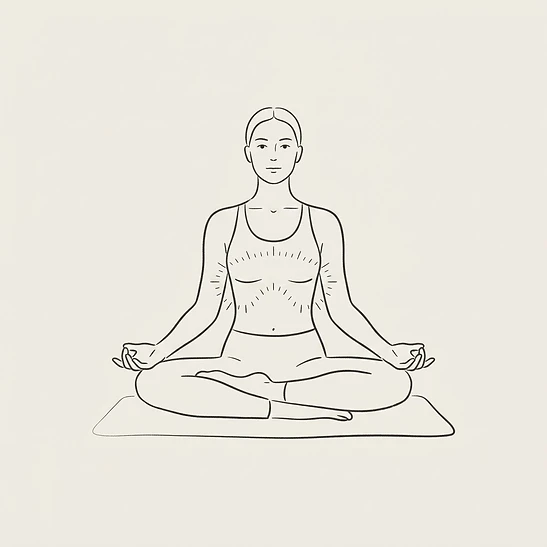
A line-art illustration of a woman sitting in cross-legged meditation posture

1.Seat and ground

Sit on a chair or cushion with your feet flat or your seat steady.

Let your weight drop down, as if you were a buffalo feeling the field under its hooves.

2.Spine and chest

Let your spine be tall without forcing it.

Imagine a gentle line from your tailbone to the top of your head.

Chest open enough to breathe, not puffed up, not collapsed.

3.Hands and shoulders

Rest your hands on your thighs or in your lap.

Let your shoulders fall a little, like you're putting down a pack you don't need to carry for the next few minutes.

4.Head and gaze

Let your chin be slightly tucked, as if you're looking out over an open field.

Your eyes can be gently open or softly closed.

If they're open, rest your gaze on a patch of floor or the space in front of you.

5.Breath

Breathe in and out through the nose if you can, in a way that feels natural.

You don't need to control the breath. Just notice it.

When the mind runs, let each exhale be a small return, like a buffalo settling its weight again.

6.Mind · Trickster and Buffalo

As you sit, thoughts, feelings, and impulses will show up.

Some will be dramatic, fast, and full of story. That's Trickster Mind.

You don't have to fight it. Just notice it, and label it "Trickster" if that helps.

Then look for something quieter: a simple sense of "here," the weight of your body, the feel of breath moving.

That's Buffalo Mind.

7.What to do when you wander

When you realize you've been off in a story, don't scold yourself. That's still practice.

Just notice, "Wandering," and come back to one thing: breath, weight, or sound.

Over and over. That's how Buffalo Mind is trained: not by force, but by returning.

You can start with five minutes. If that's too much, start with three.

You're not trying to become a perfect meditator. You're learning how to sit like a buffalo for a few moments in your own life: steady, present, not running from the weather inside you.

One small practice for the weather you're in.

If sitting isn't what you need right now, there's a practice for almost every kind of hard weather.

Use the Whole Buffalo
How to Meet What Hurts Without Wasting the Pain.
Use what helps. Leave what doesn't.
A note on the ground

This site can't provide crisis support, therapy, or emergency help. If you're in immediate danger or need urgent support, contact local emergency services or a crisis resource where you live.

Stay with the herd

Occasional practices, book news, and notes for hard weather.

Stay in touch
© 2026 Matthew J. Dyck. Use the Whole Buffalo.
Mind is the buffalo that bolts, and mind is the buffalo that stands.
Find a practice